Bolivia by Latventure

Edit template

Bolivia

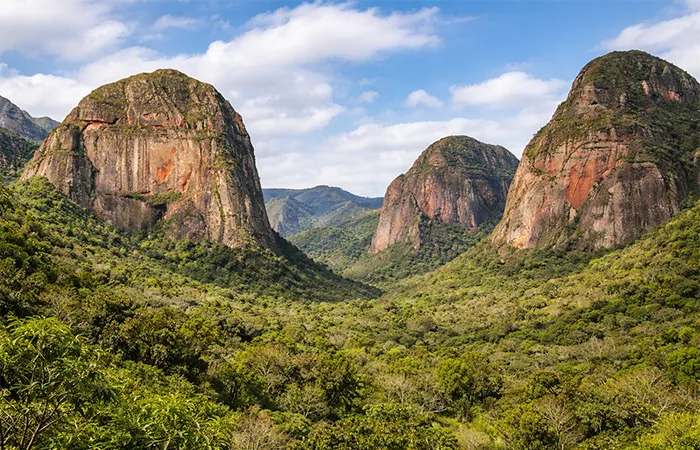
Bolivia is the highest-lying and perhaps most unspoilt country in South America – full of contrasts between the high Andes, tropical rainforest and indigenous culture. Covering 1.1 million km², it combines extreme nature with deeply rooted traditions. The Altiplano at 3,500–4,000 m shapes the west; this is where La Paz is located – at 3,600 m, one of the highest capitals in the world.

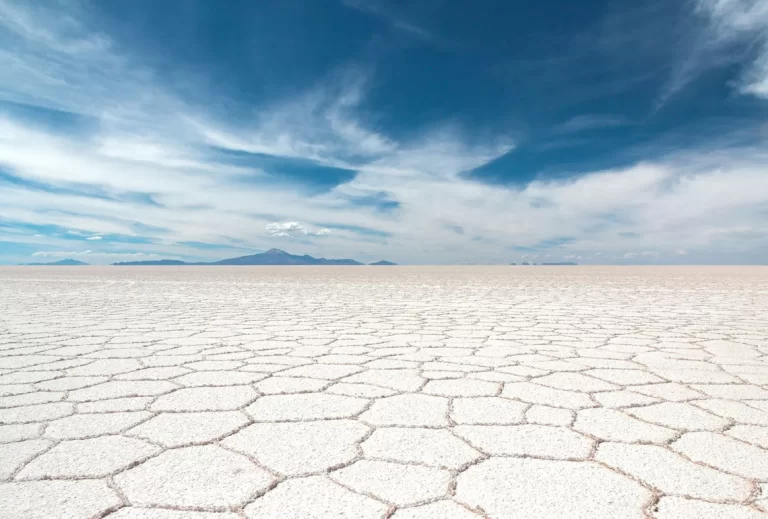
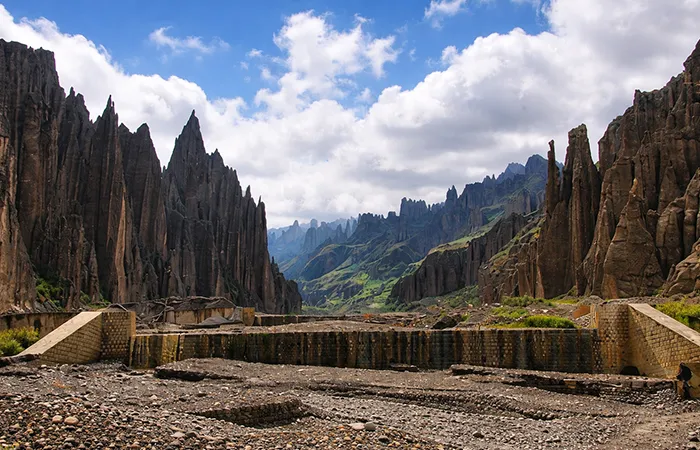
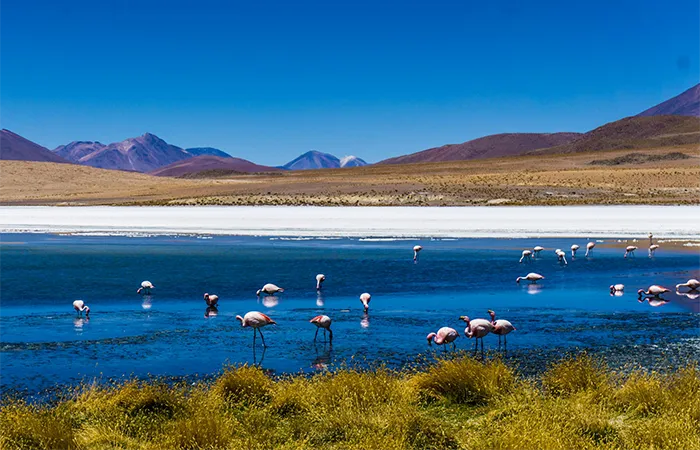
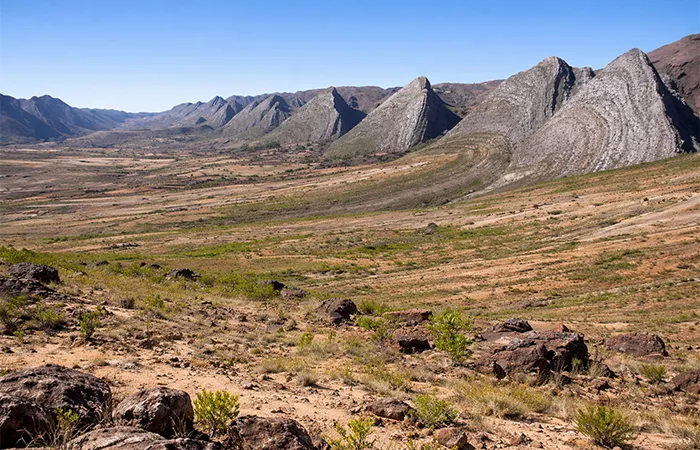
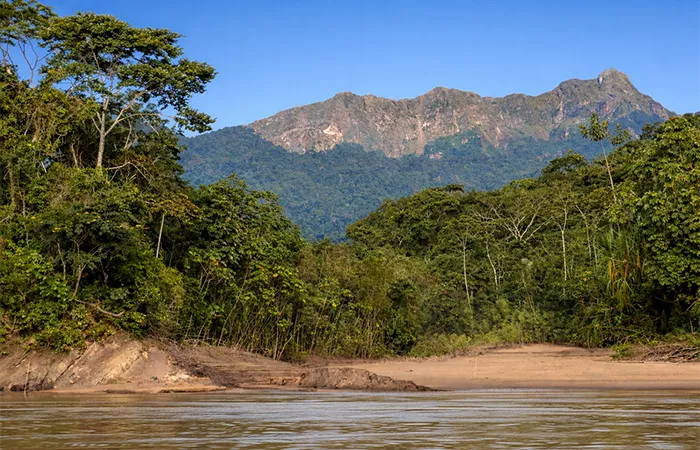
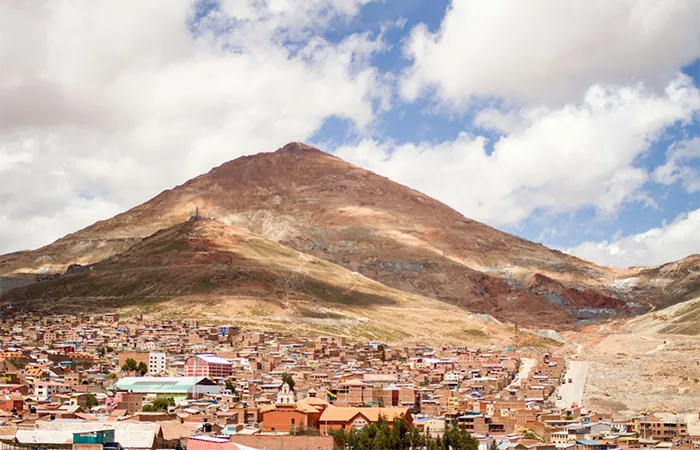
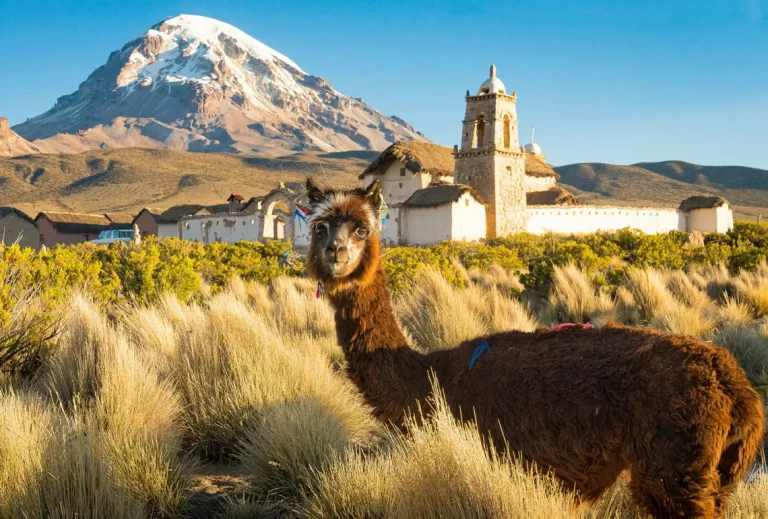
Natural wonders such as the Salar de Uyuni, colourful lagoons, geysers and volcanoes create surreal landscapes of unique beauty. In the east, the Amazon attracts visitors with lush green diversity, for example in Madidi National Park. Colonial cities such as Sucre and Potosí tell the story of the country’s eventful past.

More than 30 indigenous peoples shape everyday life, language and festivals – from traditional pollera dress to coca chewing. Bolivia is intense, authentic and emotional – a South America far from the mainstream for explorers with a genuine curiosity for the original and the real.

Good to know

Bolivia lies in the heart of South America – a landlocked country of contrasts: from the surreal Salar de Uyuni salt flats and the barren Altiplano highlands to the tropical Amazon lowlands around Santa Cruz. The country captivates with an unspoilt culture, more than 30 indigenous groups, colourful markets and living traditions. Adventurous travellers experience South America away from the crowds – intense, rugged and real. An ideal destination for tailor-made journeys or guided small-group tours.

Flight connections

Icon_plus Icon_plus

Direct flights to Bolivia are only available in a few cases – for example with Air Europa from Madrid to Santa Cruz (VVI). Most travellers arrive via Lima, Bogotá or São Paulo. La Paz (LPB) and Cochabamba (CBB) are regional airports, ideal for round trips. Domestic flights can save time. Google Flights helps with international and domestic flight searches.

Travellers from the D|A|CH region can enter Bolivia visa-free for up to 90 days. Passports must be valid for six months upon entry. A return ticket is rarely required. If arriving from yellow-fever risk countries, proof of vaccination is required – and it is generally recommended for the Amazon region. Extensions of stay are easily possible locally. Always check that you receive an entry stamp.

For the highlands (La Paz, Uyuni, Lake Titicaca), May to October are considered ideal travel months: dry, sunny and cold at night. In Uyuni, temperatures can drop to –20°C. February/March, on the other hand, offers the famous mirror effect on the salt flats. In the lowlands it is hot year-round; June to August are the most pleasant. For combined trips, May–September is recommended, with April/October as good shoulder seasons.

Bolivia is generally safe, but petty crime and scams are common in cities such as La Paz or Santa Cruz. Use registered taxis only, do not display valuables openly, and stay alert in bars. Social protests may lead to blockades – check the current situation. With sensible precautions, Bolivia is easy to travel in. Official travel advisories provide reliable updates.

Altitude is a key factor – when arriving in La Paz, take it easy, drink plenty of water and try coca tea. In the Amazon lowlands, dengue and malaria can be an issue – mosquito protection is essential and yellow fever vaccination is recommended. Avoid tap water and be cautious with street food. Good private clinics are available in cities; for rural areas, a small travel medical kit is recommended. Please consult up-to-date information, e.g. healthytravel.ch .

Top 10 travel highlights

Featured Journeys

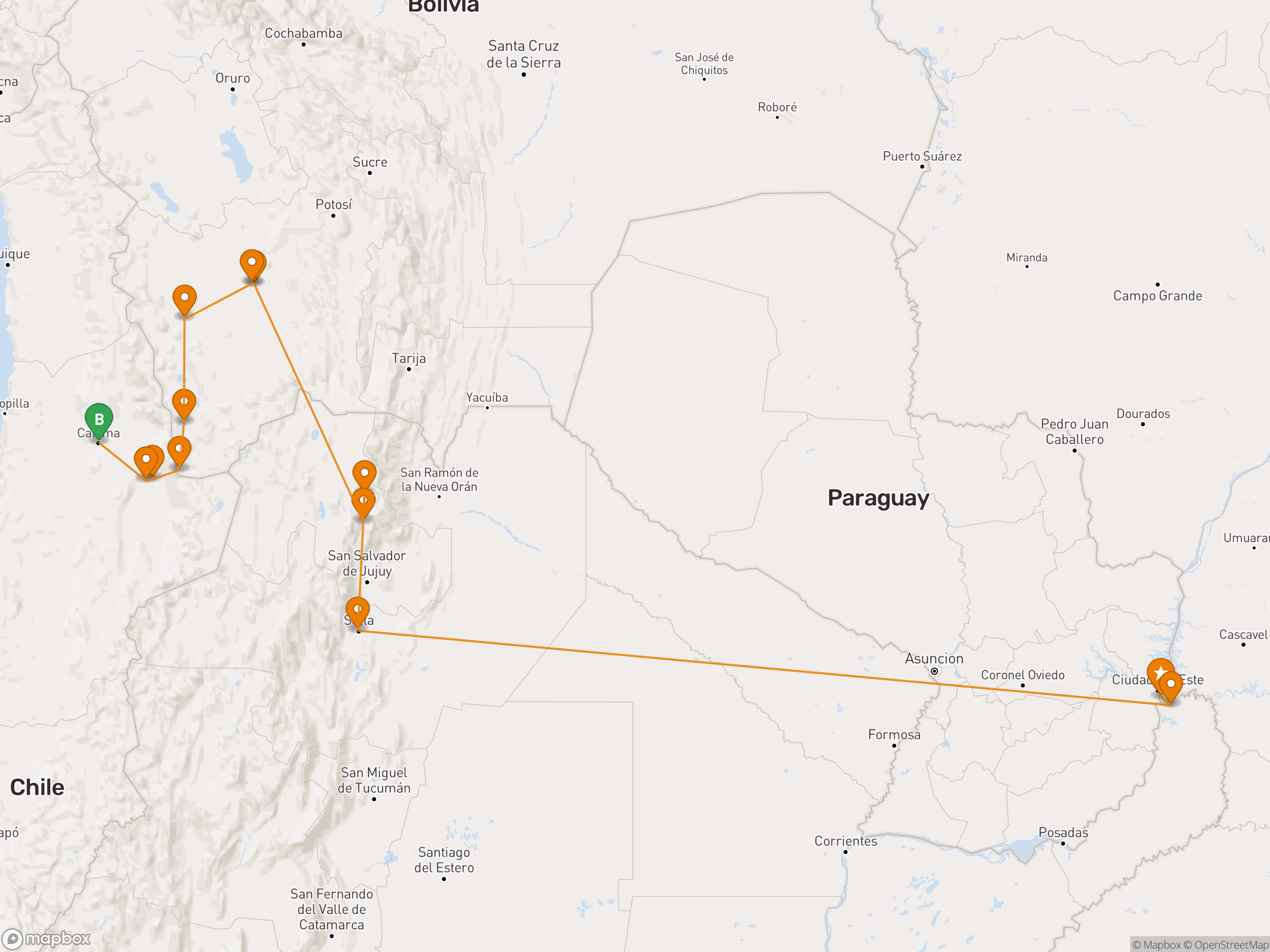
Argentina, Bolivia & Chile Tour – Magical Combination
Icone d'heure 11 days | 10 nights
Route ikon Puerto Iguazú | Calama
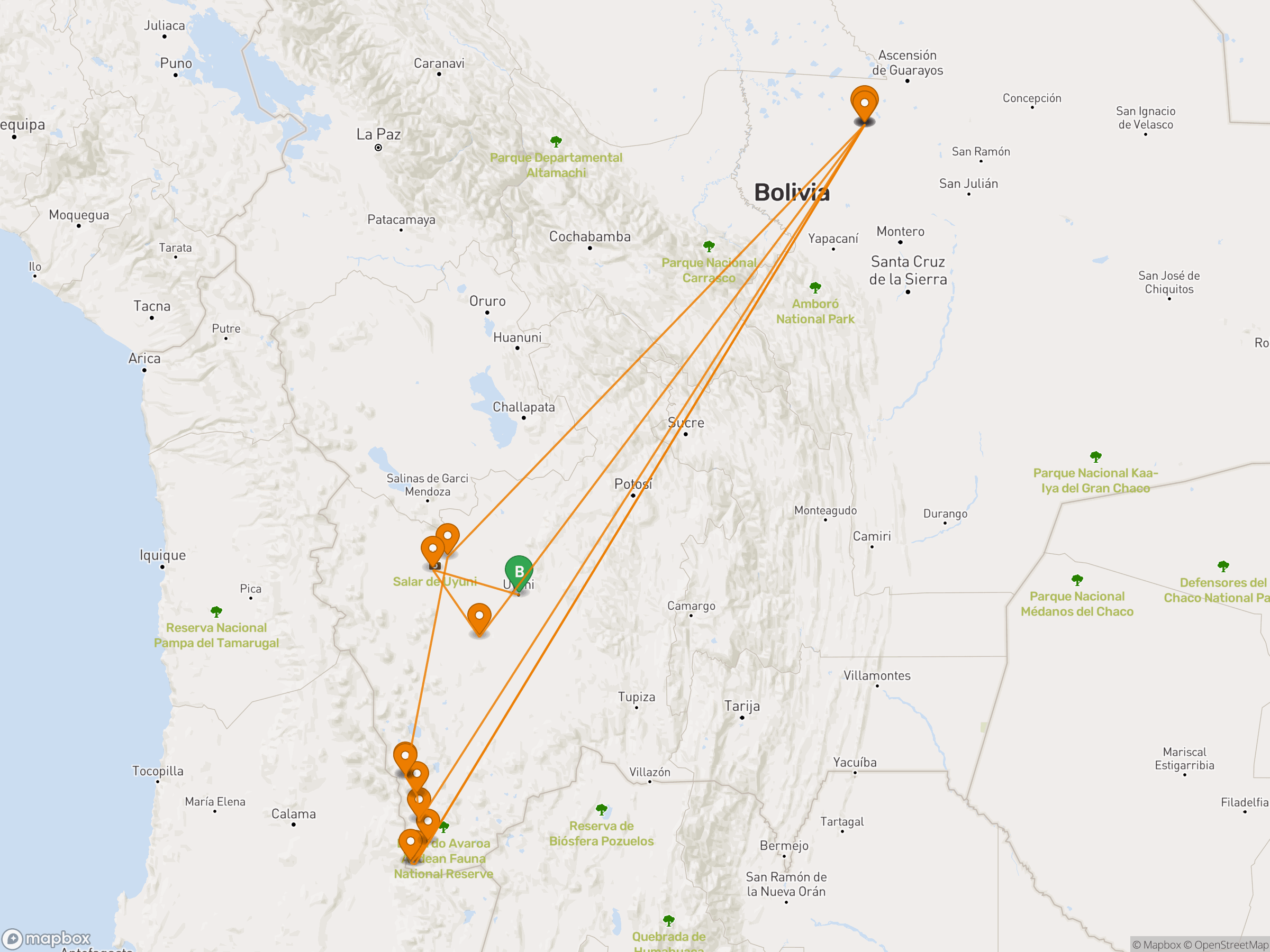
Bolivia Tour – San Pedro de Atacama to Salar de Uyuni
Icone d'heure 3 days | 2 nights
Route ikon San Pedro de Atacama | Uyuni

Seat-in tours – Bolivia

Seat-in tour data currently not available...